AI building

This site was built with Claude Code
Briefing an AI, then directing it
I started by briefing Claude on my requirements — notably generating tailored landing pages per target company with privacy-protecting tracking slugs — and used it to evaluate architecture options before selecting Astro with MDX content collections, deployed on Vercel. From there I built it page by page through AI-assisted coding, staying in a designer’s role: defining intent, reviewing output, and directing revisions.
AI as a critique partner
I also used Claude as a critique partner, feeding it mobile screenshots to accelerate detection and resolution of responsive layout issues.
Closing the gap between design intent & shipped experience
Pushed production code changes in the QuickBooks product
I have pushed live code changes (stylistic refinements and content clarifications) directly into production at Intuit, closing the gap between design intent and shipped experience.
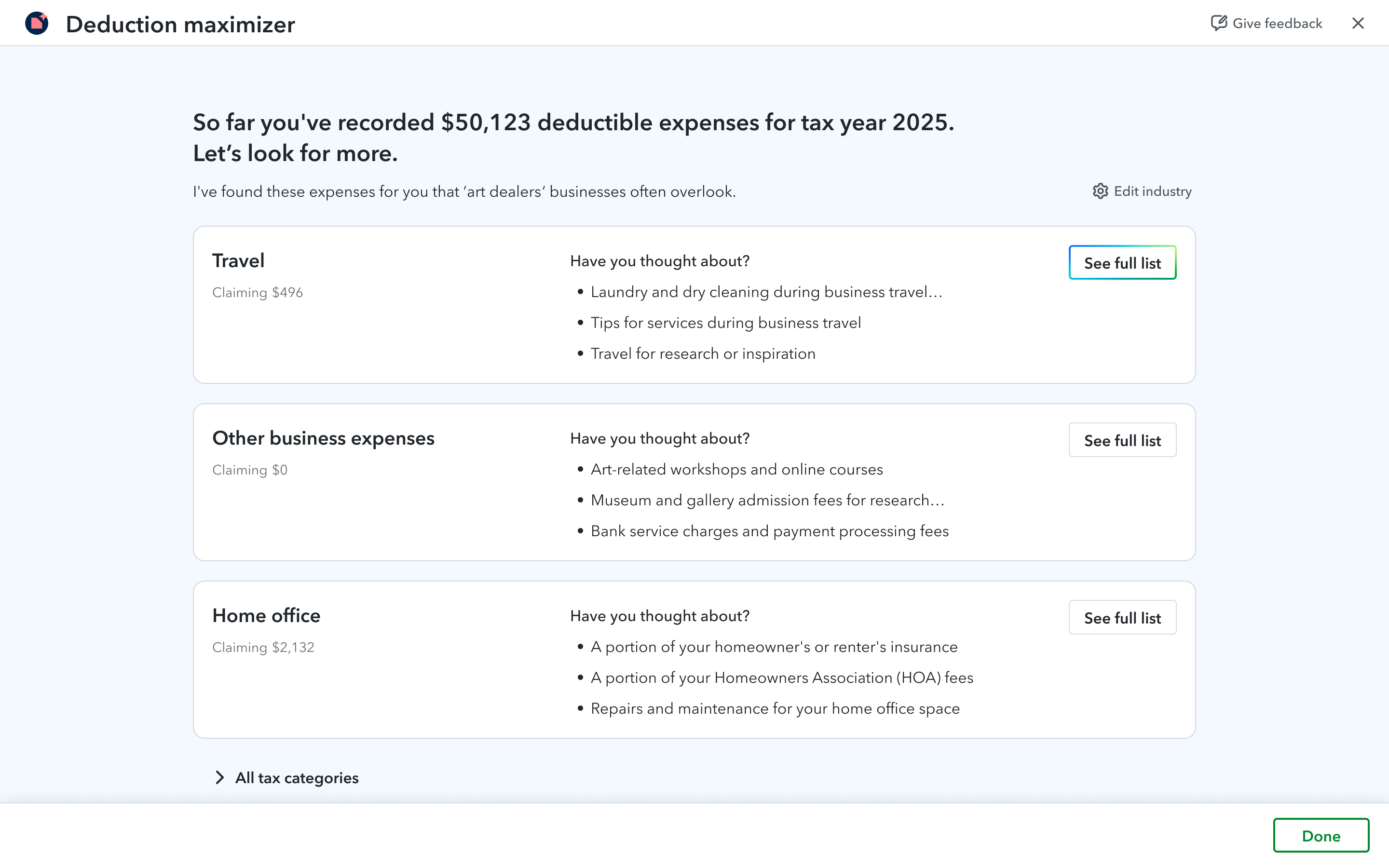
Ensuring trust & output quality
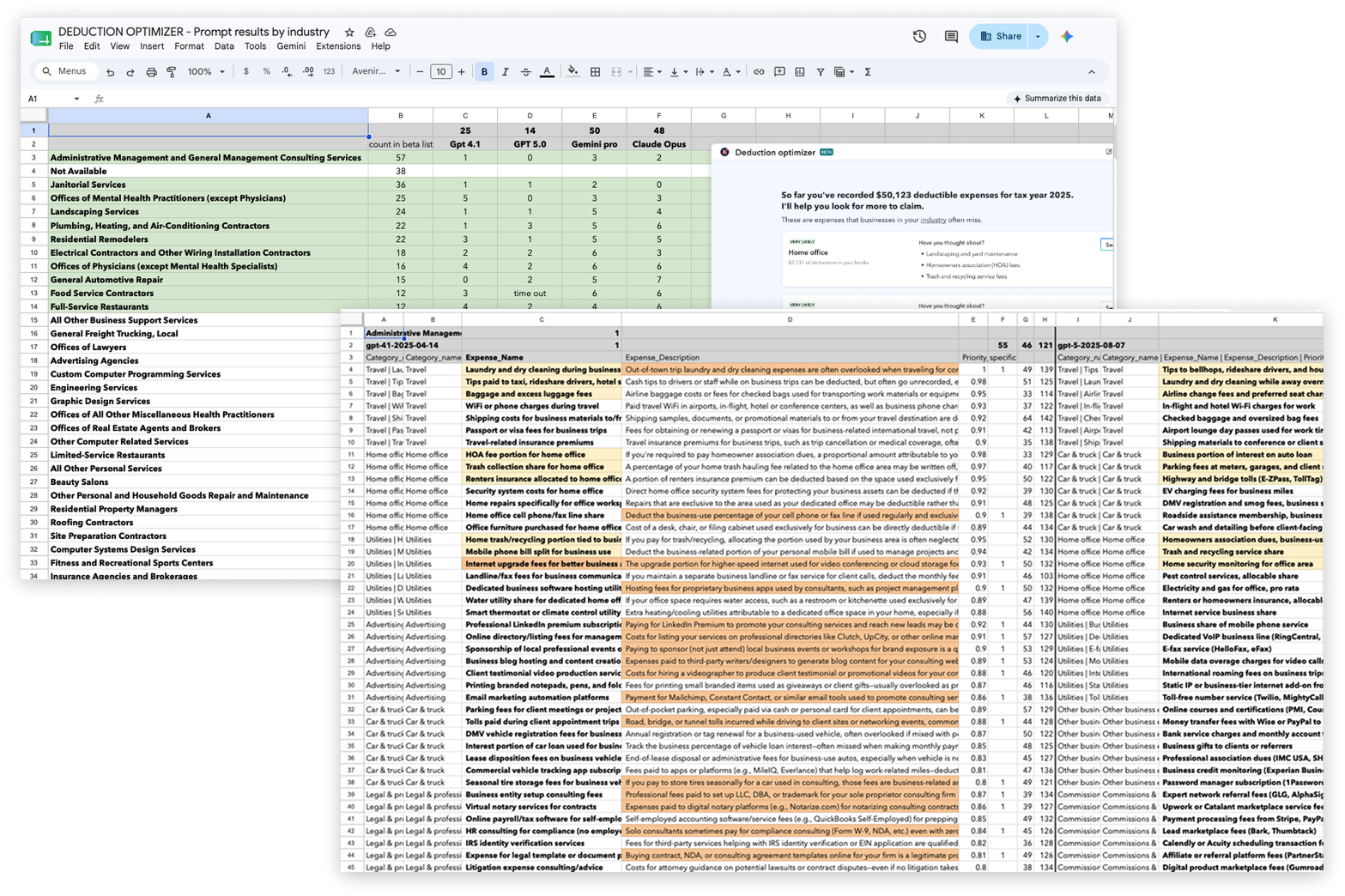
LLM prompt design and model eval
For a new tax AI feature, I wrote and refined the LLM prompt. I ran evaluations across LLM models to ensure customer confidence, relevance and trust. The goal: relevance across ~5,000 distinct use cases without sacrificing personalization.
A fully interactive AI-powered chat Wizard-of-Oz prototype
-
Faking the agent to learn faster
To test a tax onboarding conversation, I built a live chat prototype in Builder.io (chosen because it pulls in our design components from Figma with a copy-paste). Instead of spending a sprint configuring a real agent to run the onboarding conversation, I ran it as a Wizard of Oz: a facilitator typing the AI’s responses in real time. Participants believed they were talking to a live AI. It helped us improve the conversation flow and interaction patterns and get authentic reactions to an experience that didn’t exist.
-
A pattern other teams picked up
Other prototypes included links to Google Sheets, so we could show live-feeling tax calculations with no back end at all. After sharing the approach in a brown-bag session and on Slack, other teams started leveraging it too.